NFTs: Digital Ownership in a Copy-and-Paste World
In the physical world, proving you own something is easy. You hold the title to your car, the deed to your house, or a receipt for your shoes. But in the digital world, where an image or a file can be copy-and-pasted a million times in seconds, proving authentic ownership was nearly impossible. That was until the creation of the NFT.
While they first made mainstream headlines as highly expensive digital monkey pictures, the hype has settled, and NFTs have evolved into a vital piece of infrastructure for digital ownership, identity, and modern commerce.
What Exactly is an NFT?
NFT stands for Non-Fungible Token. To understand what that means, you have to understand the word fungible.
A standard US dollar bill is fungible. If you trade your dollar for my dollar, we both still have the exact same purchasing power. They are identical and interchangeable. Non-fungible means an item is completely unique and cannot be replaced with an identical version. The Mona Lisa is non-fungible. Your birth certificate is non-fungible.
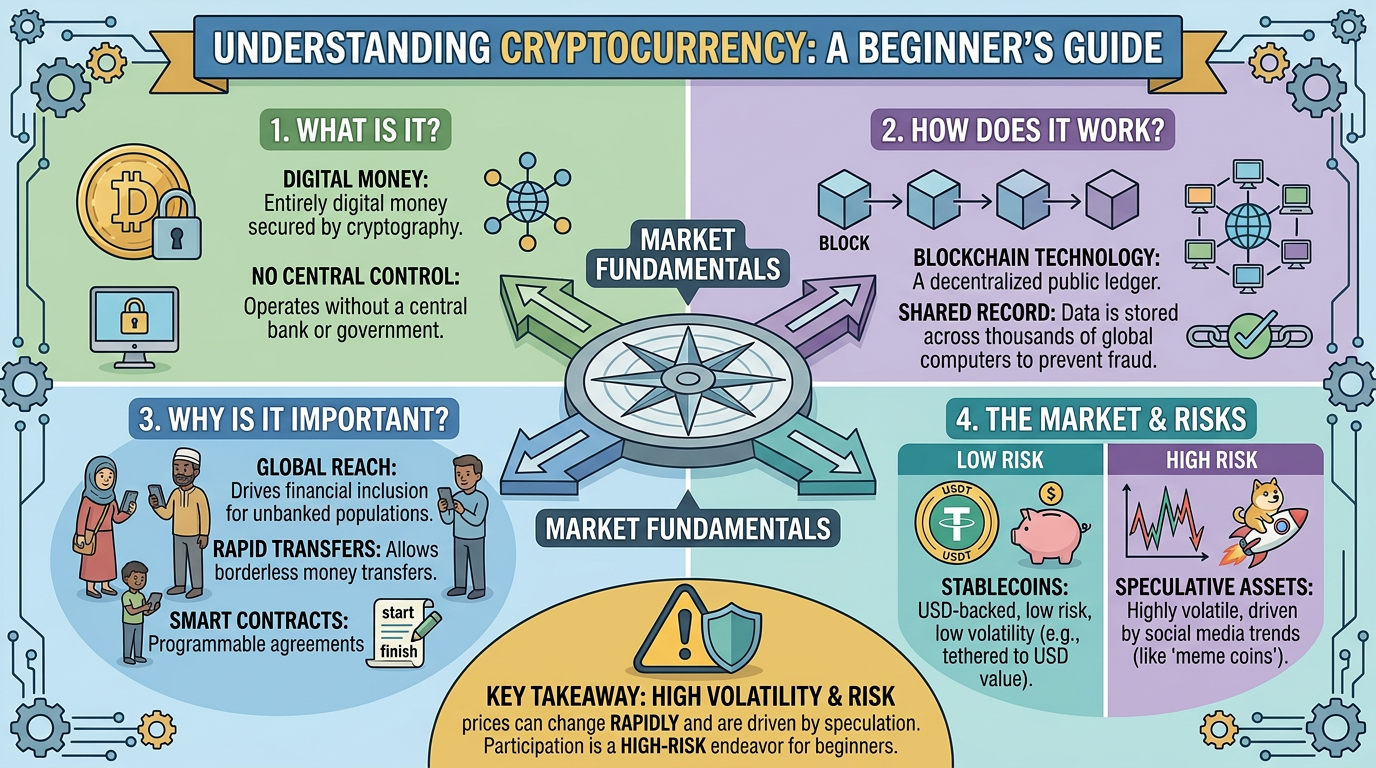
An NFT is simply a unique digital certificate of authenticity stored on a blockchain (a secure, decentralized digital spreadsheet). It acts as undeniable, unhackable proof that you are the sole owner of a specific digital or physical item.
How They Are Used Today
The NFT market has matured significantly from its early days of pure speculation. Today, the technology is moving away from just digital art and toward real-world utility:
Digital Art and Collectibles: This is how NFTs became famous. Artists can sell digital paintings, videos, or music directly to fans. The NFT proves which fan owns the official "master" copy, even if millions of other people screenshot the image.
Ticketing and Memberships: Because NFTs cannot be counterfeited, they are increasingly being used as digital event tickets to eliminate scalping and fraud. They also act as lifetime membership cards granting exclusive VIP access to clubs, software, or brand loyalty programs.
Gaming Assets: In traditional video games, you essentially rent the items you buy. If the game server shuts down, your purchased character skins or weapons disappear. NFTs allow players to truly own their in-game items, meaning they can sell them to other players or even transfer them between different digital worlds.
Real-World Asset Tokenization (RWAs): NFTs are now being tied directly to physical goods. A luxury watch brand might issue an NFT alongside a physical watch as a tamper-proof digital certificate of authenticity. They are even being used to legally represent fractional ownership of physical real estate or commercial bonds.
The Cold, Hard Reality of the Market
While the underlying technology of verifiable digital ownership is incredibly useful for the future of the internet, the financial reality of the NFT market is complex.
During the initial market boom, NFTs became the ultimate speculative asset. Millions of people bought digital profile pictures not because they cared about the art or the utility, but purely because they believed they could sell them to someone else for a massive, rapid profit. When that hype bubble inevitably burst, many of those highly speculative collections lost nearly all of their value.
Today, while institutional and corporate adoption of the technology is growing rapidly, buying an NFT purely as a financial investment remains incredibly risky. Unlike a traditional stock that pays you a share of a company's real-world profits, an NFT does not inherently generate cash on its own. Its financial value on the secondary market is driven entirely by trends, community hype, and shifting demand. Furthermore, they are highly illiquid, meaning if the hype dies down, you may not be able to find a buyer at any price, leaving you stuck with the asset.
Summary
An NFT, or Non-Fungible Token, is a unique digital certificate stored on a blockchain that proves verifiable ownership of a specific asset. While they originally became famous for digital art and collectibles, they have evolved into a vital digital infrastructure that solves the long-standing problem of proving authenticity in a world of easily copied files. Today, NFTs are used for fraud-proof event ticketing, true ownership of video game items, and the tokenization of real-world physical assets. However, despite this growing technological utility, buying NFTs purely to flip them for a profit remains a highly speculative gamble driven by market hype rather than steady, traditional earnings.
