You have money you will need in a few months. Spring tuition, a security deposit, the cash from a summer job. It is probably in a savings account earning whatever the bank decided to pay. In most states there is a place that quietly pays more for the same safety.
What a Treasury Bill Is
A Treasury bill (a T-bill) is a short-term loan you make to the US federal government. You hand over money, the government holds it for a set number of weeks, then pays back more than you gave.
The terms are 4, 6, 8, 13, 17, 26 and 52 weeks. All but the 52-week bill are auctioned weekly, and that one comes up every four weeks. So a new bill is nearly always about to be issued.
The minimum is $100, in $100 increments. No five-figure entry price and no account minimum, which puts a bill in reach of an ordinary savings balance.
Anything the government issues for longer than a year is a note or a bond. Bills are the only Treasury built for money you plan to spend soon.
The Discount Is the Interest
Here is the part that confuses people. A T-bill pays nothing along the way and has no rate printed on it. You buy below face value and receive face value at maturity. The gap is your interest.
Round numbers, for illustration. You buy a 26-week bill with a $1,000 face value, and the auction prices it at $980. Twenty-six weeks later, $1,000 arrives in your account. You earned $20, or about 2% over half a year, roughly 4% annualized.
Nothing compounds inside a bill. To keep earning, you buy another with the proceeds.
Auctions quote two rates, and the investment rate is the one figured against what you actually paid. That is the fair number to set beside a bank's APY.
The Tax Break Is the Whole Point
Interest on Treasury securities is subject to federal income tax and exempt from state and local income tax. Bank interest is taxed by both. So the two yields are not measured the same way, and comparing them side by side understates the bill for anyone in a state with an income tax.
The fix is one line of arithmetic. Divide the bill's yield by (1 minus your state tax rate). The answer is the savings rate that would tie it.
Say your state rate is 5% and a bill yields 4.00%. Divide 4.00 by 0.95 and you get 4.21%. An account advertising 4.15% loses to that bill, even though its number looks bigger.
Size it honestly. On $10,000 for a year at 4%, you earn $400, and 5% state tax on that is $20. In a state with no income tax, Texas and Florida among them, the exemption is worth nothing and the raw yields are the whole comparison.
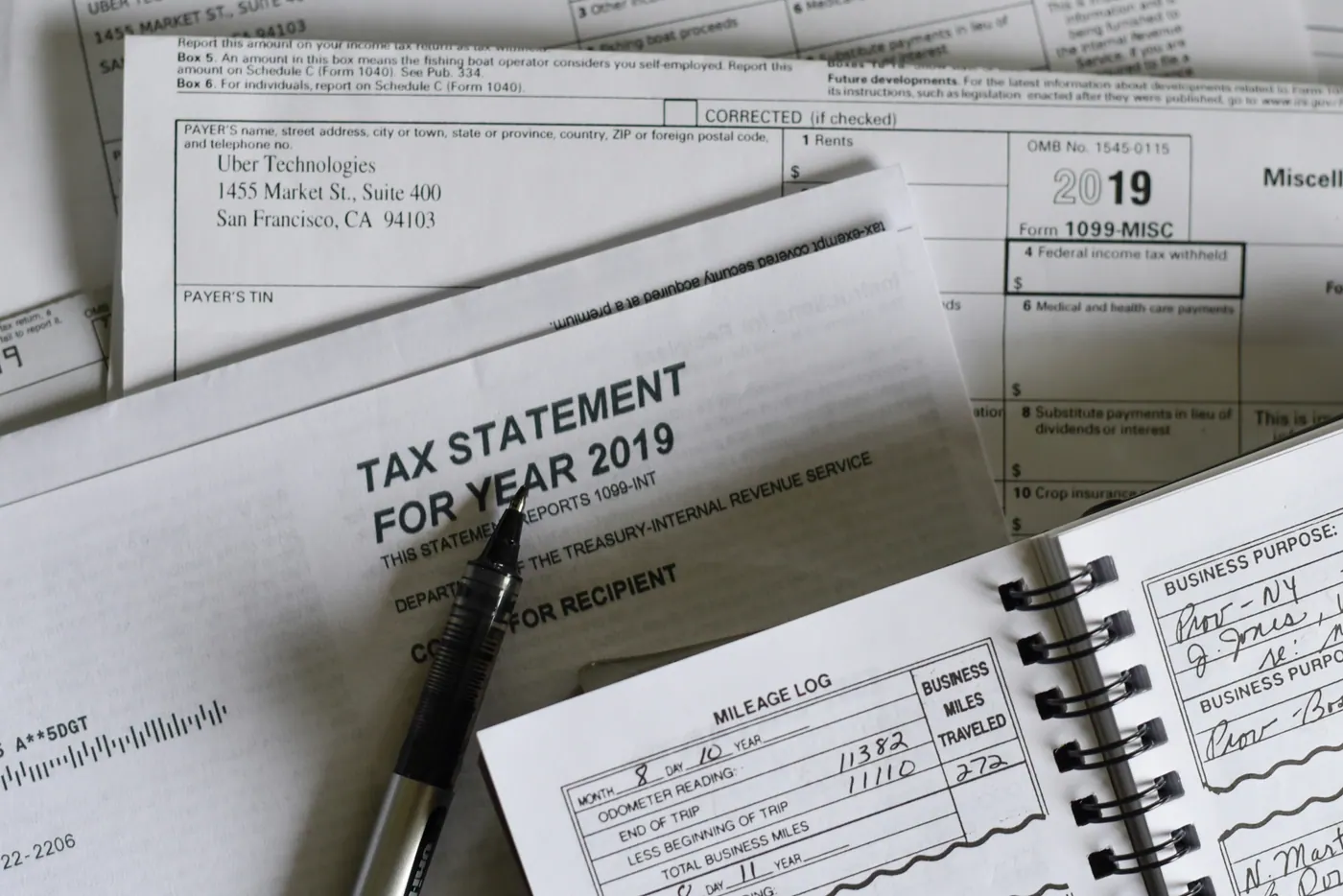
One timing quirk. For most people the interest counts in the tax year the bill matures, so one bought in November and maturing in February lands on next year's return. It arrives in Box 3 of Form 1099-INT, the line tax software reads to keep it off your state return.
Buying Direct Through TreasuryDirect
TreasuryDirect is the government's own site for buying Treasuries. You link a bank account, pick a term, and place a noncompetitive bid, which means you are not naming a price. You take whatever rate the auction produces, and in exchange you are guaranteed the full amount you asked for, up to $10 million per auction.
There are no fees and no markup. You can also set a bill to reinvest automatically, so the proceeds roll into a new bill of the same term.
The catch is the exit. You cannot sell a bill inside TreasuryDirect. Getting out early means transferring it to a brokerage account first, which takes a form and a wait measured in days. A newly bought security also has to sit for a holding period before it can be transferred at all, and on the shortest terms a bill can mature before that window even opens.
Treat money in TreasuryDirect as committed until maturity.
Buying Through a Brokerage
Most brokerages place that same noncompetitive bid for you, often with no commission, and they also sell bills on the secondary market. The bill sits with the rest of your money, the tax form arrives with everything else, and you can actually sell it.
Selling early is where the only real risk lives. Held to maturity, a bill pays face value on a known date, so the market's opinion of it in between never touches you. Sell early and you take the market price. If short-term rates have risen since you bought, a buyer will not pay what you paid, because they can get a fresh bill on better terms. The gap is small on something this short, but it is the one way a T-bill hands back less than you put in.
The Packaged Versions
Two products do the bill buying for you. A Treasury money market fund is a mutual fund holding short-term government debt, managed to keep a steady $1.00 share price, with no maturity dates to track. A short-term Treasury ETF trades like a stock, so you sell whenever the market is open, but its share price moves and you can sell for less than you paid.
Both pass the state tax exemption through, with one catch. Some states allow it only if enough of the fund sat in qualifying government obligations. Miss that line and residents of those states get no exemption at all. The fund's own tax documents, published early in the year, say whether it cleared the bar.
The convenience comes out of the yield as an expense ratio, and on an asset this safe that is most of what separates one fund from another.
What "Risk Free" Does and Does Not Mean
T-bills are backed by the full faith and credit of the US government. In finance the short-term Treasury yield is the risk-free rate, the baseline every other return is measured against.
The phrase is narrower than it sounds. It means the odds of not being repaid in dollars are treated as effectively zero, because the government that owes the dollars is the one that issues them. It does not promise a steady price before maturity, or that inflation will not outrun your yield. It does not even mean the market thinks the credit is flawless. All three major rating agencies have moved US debt off their top grade, S&P in 2011, Fitch in 2023 and Moody's in 2025. Bills went on trading as the safest short-term asset in the world through all three.
A T-bill carries no FDIC insurance and needs none. That insurance is a federal promise standing behind a bank. A Treasury is the federal promise itself.
When a Bill Fits, and When It Does Not
A bill fits when you know roughly when you need the money and that date is one month to a year out. Match the term to the date.
For money needed at intervals, ladder it. Hold several bills with staggered maturities so something comes due every few weeks. Same idea as a CD ladder, covered elsewhere on this site, with two differences in the bill's favor. Auctions run weekly, so the rungs can be much finer. And there is no early withdrawal penalty, because there is nothing to break.
A bill does not fit your emergency fund, or not all of it. Emergencies do not check your maturity calendar. Money that has to be spendable this afternoon belongs in a savings account, whatever it pays.
Then weigh what the extra yield costs in effort. A bill takes minutes to buy, matures on a date you have to remember, and adds a line to your tax return. If the tax-adjusted edge is $20 a year, a savings account you can drain the same day may be worth more. Run that number before assuming the higher yield wins.